African Grey Parrot Care: The Ultimate Guide for UK Owners
African Grey Parrot Care UK, African Grey diet, CITES Article 10 certificate, parrot socialisation, African Grey toys UK, avian vet UK
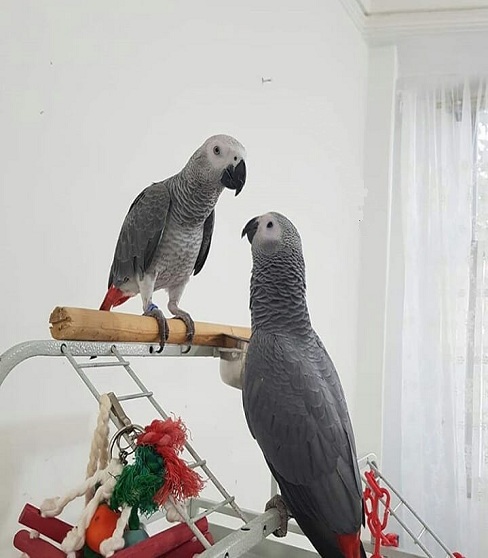
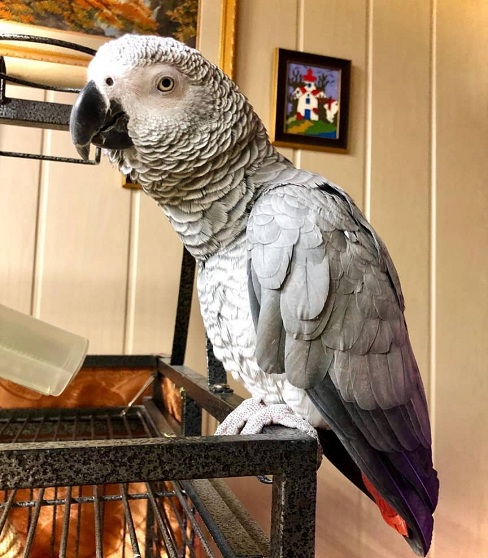
Owning an African Grey is a lifelong journey. These “Einsteins of the bird world” are famed for their intelligence and mimicking abilities, but they require specialized care to stay happy in a British household. Whether you’re a new owner or looking to improve your bird’s life, this guide covers the essentials of African Grey Parrot care in the UK.
1. Navigating UK Legal Requirements (CITES)
In the UK, African Greys are protected under CITES Appendix I. This means if you are buying or selling a bird, it must have an Article 10 Certificate.
- Proof of Origin: Ensure your breeder provides this official Defra/APHA documentation.
- Identification: Your parrot should be permanently marked with either a closed leg ring or a microchip.
African Grey Parrot Care UK
The Ideal African Grey Diet
In the wild, these birds forage for a variety of fruits and nuts. In the UK, common “supermarket seed mixes” are often too fatty and lead to calcium deficiencies.
- Pellets over Seeds: Experts recommend high-quality pellets like Harrison’s High Potency Coarse or Versele-Laga African Parrot Loro Parque Mix as a base.
- Fresh Foods: Daily servings of kale, broccoli, and carrots provide vital Vitamin A and Calcium.
- The “No-Go” List: Never feed your parrot chocolate, avocado, caffeine, or salty snacks, as these can be fatal.
3. Creating a Stimulating Home Environment
UK homes can be dry and dark, especially in winter. African Greys need specific environmental adjustments to thrive:
- Lighting: Use specialized UVB bird lamps to help your parrot synthesize Vitamin D3, which is crucial for calcium absorption.
- Sleep: They require 10–12 hours of quiet, dark sleep. Use a cage cover to block out the evening TV lights.
- Humidity: Central heating can dry out their feathers. Use a mister or a humidifier to keep the air moist, mimicking their native rainforest.
Socialisation and Mental Health
African Greys are highly social and can become stressed or pluck their feathers if bored.
- Interaction: Spend at least 2–3 hours of out-of-cage time with them daily.
- Foraging Toys: Use puzzles and shreddable toys from UK retailers like Parrot Essentials to keep their busy minds active.
- Training: They love learning! Teaching basic commands or “step up” builds a strong bond and prevents aggression.
5. Health Checks and Avian Vets
A standard vet may not have the expertise needed for exotics. Always register with a specialist avian vet for annual wellness checks. Regular checks for “beak and feather” disease and blood-calcium levels are highly recommended for Greys.
Conclusion
Taking care of an African Grey in the UK is a major commitment, but the reward of a talking, intelligent companion is unmatched. By focusing on a balanced diet, proper legal paperwork, and plenty of mental stimulation, you can ensure your feathered friend lives a long, vibrant life.
Looking for more advice? Browse our latest blog posts for more tips on parrot health and happiness.